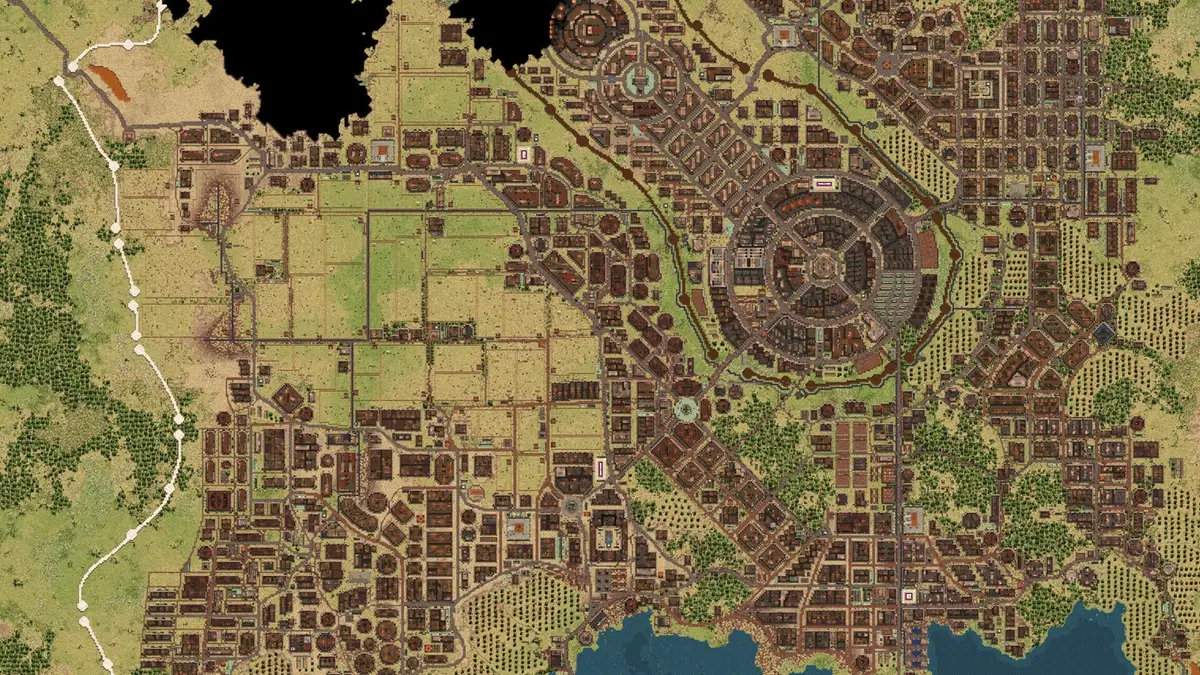
Songs of Syx: the Embassy's output, and what doubles it
One Embassy worker makes 1 emissary point. 40 Fabric, 2 Jewelry, or 2 Sithilon each double that — but only Argonosh staff lose output, at 10% skill.
28 posts
One Embassy worker makes 1 emissary point. 40 Fabric, 2 Jewelry, or 2 Sithilon each double that — but only Argonosh staff lose output, at 10% skill.
Time only moves when you let it. A pre-release budget planner for deciding which quests are worth an hourglass, based on what you actually want out of the run.
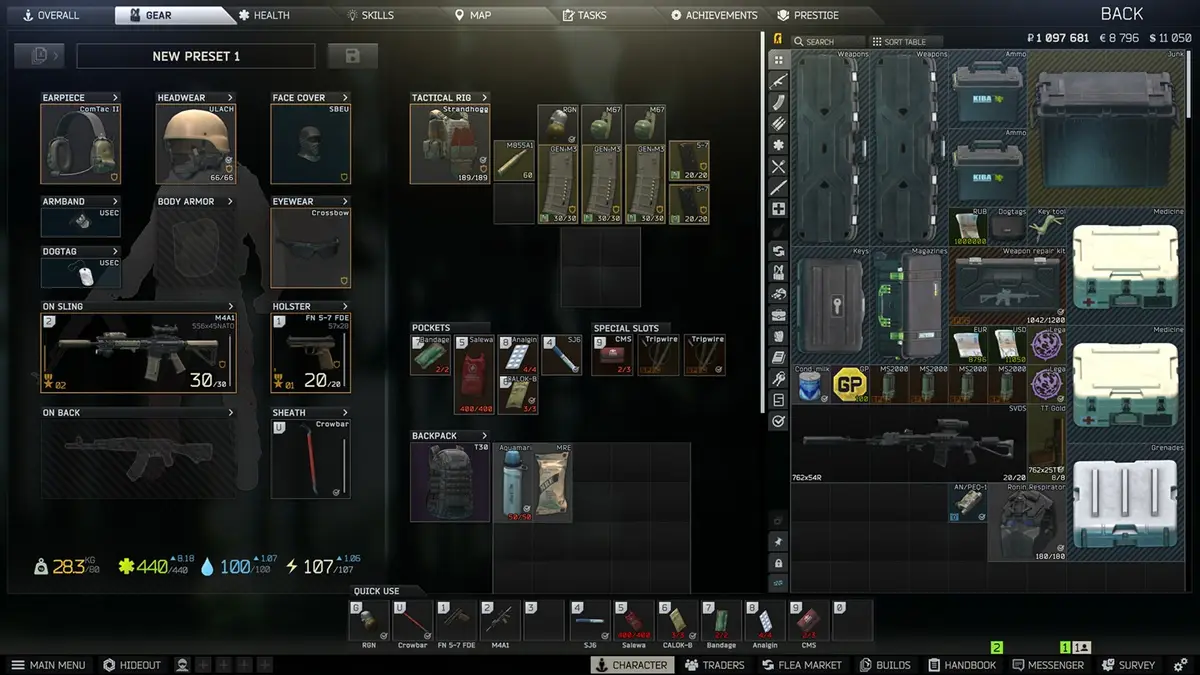
A conflict matrix of items claimed by both a task and a hideout module in Season 1, with total counts, Found-in-Raid pressure, and the gates that hide demand.

There is no universal Tarkov early-wipe opening order — a matrix of four goals against insurance, PvP and trader advice that genuinely disagrees row to row.
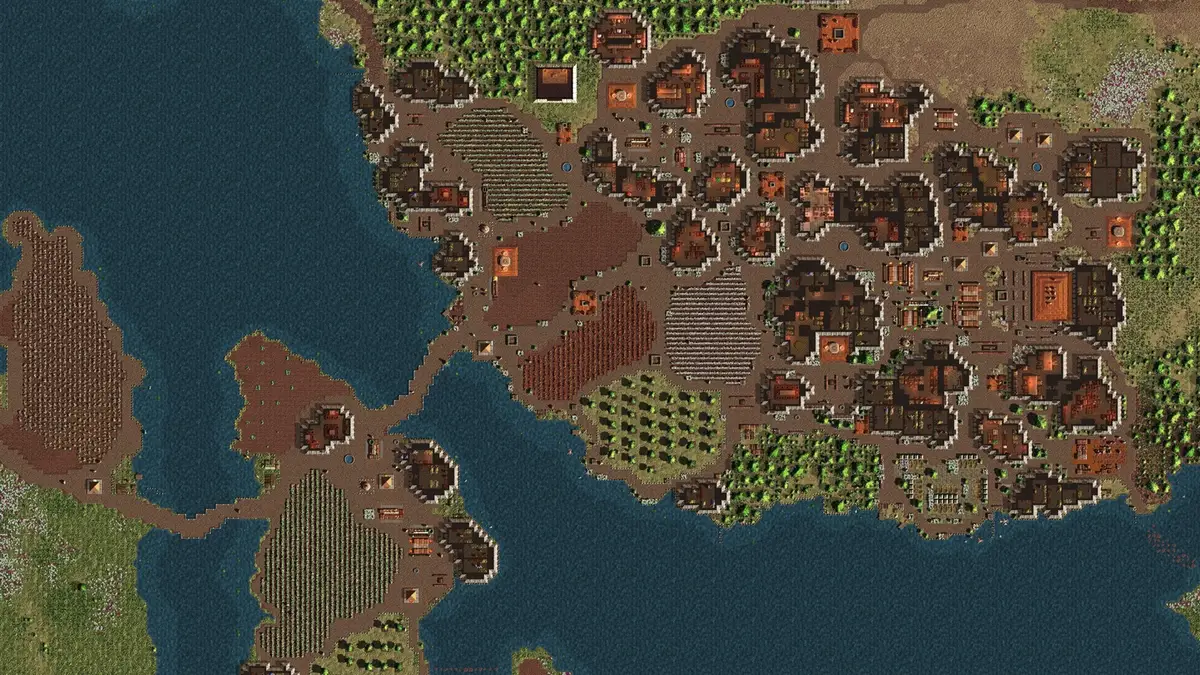
A per-species matrix of food, housing, religion, aptitude and brawl risk in Songs of Syx, plus a method for deciding which demand your roster must fix first.
Maxing every conscript is correct for one threat profile and a slow bleed for the other. Match your garrison shape to what you're actually defending against.

Work backwards from a hull-parts target to module counts, feeder modules, ore and methane draw, and storage sizing — with the per-hour coefficients precomputed.

All 15 Corsair Cove worker and crew ranks with their per-minute upkeep, the building that makes each good, and the two ranks you cannot supply without raiding.

Corsair Cove first-hour build order from the wiki's cost tables, plus how to read the Ingredients, Production and Dedicated Workers numbers on each panel.

All 77 production buildings and 30 unlockable buildings joined into one cost-and-output matrix, ranked by how many other buildings depend on each one's output.
Notoriety, Empire, Seafaring and Wealth normalized into one comparison table, showing identical point costs but different unlock mixes and wiki gaps.
Every Corsair Cove resource scored by how many production tiers sit under it, with total-input counts computed from the wiki's raw ingredient table.
Every producible resource's revenue minus its own input cost, set against its cohesion value, to show which goods pay in coin and which pay in crew morale.

What to bring into your first raids, how much kit to risk, and the five questions to ask after every death — one routine for prep, movement and review.
Your world map tile decides which industries you can run and which climate you get. A feature matrix of terrain, resources and climate trade-offs in one choice.
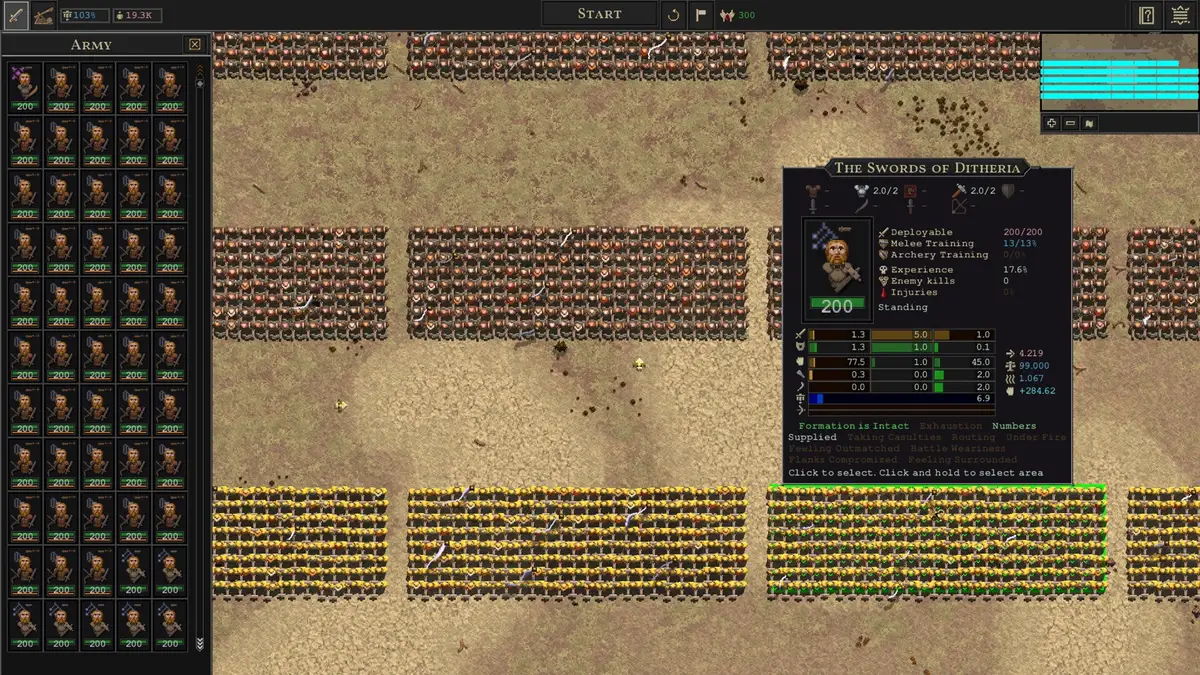
Empty training slots usually get blamed on the building. Compare your slots, eligible population and upkeep budget and find which one is actually capping you.

Room size and worker count fight each other in Songs of Syx. Enter your worker count and industry to get a starting floor size to test against your own city.

Prospect for Commander finds resource areas; Mine for Commander extracts them. Readiness tests for automating queues, subordinates and station managers too.
Too late to start a seasonal run is a time budget question. Price your remaining quests in raids and check them against the weeks you actually have.
A modifier that ruins one player's season is free for another. Score your roll against the way you actually play instead of asking a thread whether it is bad.
Loyalty is not the whole rebellion check in V71. Here is what the four hidden layers actually feed into, and how quickly each lever acts.
A colony rarely fails for one reason. Work through a saved checklist of the five balances, in the order that isolates the cause fastest, and keep your place.
Days of food is a ratio, not a stockpile, so it falls while your barns fill. Put your own population and field numbers in and see where the balance breaks.
Happiness follows the worst-covered need, not the average, so five good categories cannot rescue one empty one. Find your floor and what it costs to lift.
Hauling is a throughput problem, not a staffing habit. Time one walk, enter four numbers, and get the hauler count your route needs before the backlog starts.
Market prices tell you nothing until you convert them into worker-days. Price any good against your own industry and see which side of the trade you belong on.
Slaves cost guards, food and replacements before they produce anything. Price the whole arrangement in worker-equivalents and find your break-even output ratio.
Idle salvage tugs, auxiliary ships eating your stock, miners sitting still. Work the checks in order instead of guessing, and stop when one actually fails.